How Hard Mount Kilimanjaro Climbing
Overview
How Hard Mount Kilimanjaro climbing ? Climbing Mount Kilimanjaro is considered moderately challenging, but it is not technical mountaineering, meaning no specialized climbing gear like ropes or ice axes is required on the standard routes. The main challenge is endurance and altitude, rather than technical skill. Climbers of average fitness can reach the summit if they prepare properly, follow a well-paced itinerary, and have the support of experienced guides.
Tour Plan
The primary difficulty lies in the high altitude, with the summit at 5,895 meters (19,341 feet). Rapid ascent can lead to altitude sickness, which may include headaches, nausea, dizziness, and fatigue. Routes with longer durations, such as the Machame or Lemosho Routes, are recommended because they allow for gradual acclimatization. Proper pacing, hydration, and attention to the body’s response to altitude are key factors in managing this challenge.
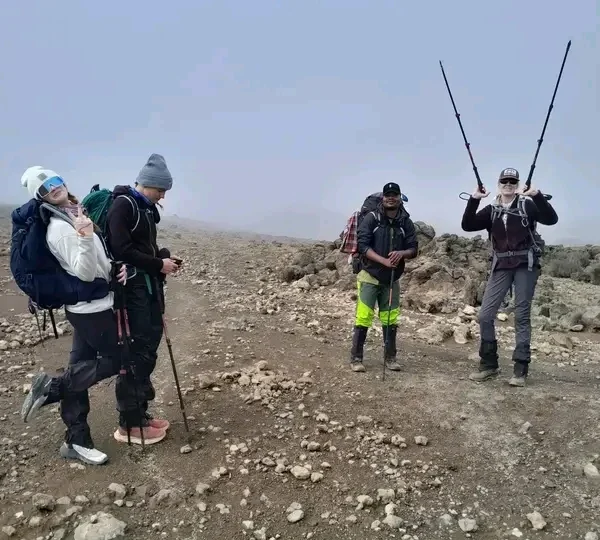
Climbing Kilimanjaro requires moderate physical fitness, including cardiovascular endurance, leg strength, and stamina. Trekkers will walk for 5–8 hours per day over variable terrain, from rainforest paths to rocky alpine deserts. While extreme fitness is not mandatory, regular cardio workouts, hiking practice, and strength training significantly increase comfort and the likelihood of reaching the summit successfully.
The mountain presents diverse terrains that add to the challenge. Climbers traverse rainforests, moorlands, lava fields, alpine deserts, and glaciers, often in rapidly changing weather conditions. Temperatures can range from warm in lower zones to below freezing near the summit. The final push to Uhuru Peak typically begins around midnight in extreme cold and low oxygen, requiring both mental resilience and proper gear to handle the harsh conditions.
Aside from physical challenges, Kilimanjaro is also a mental test. Maintaining motivation, coping with fatigue, and staying positive during steep ascents or adverse weather are critical. Many climbers report that mental determination and perseverance are as important as physical strength in summiting successfully. Guided support and a well-structured itinerary help maintain morale throughout the trek.
In summary, Mount Kilimanjaro is a challenging but achievable climb for most healthy adults. The difficulty arises mainly from altitude, physical endurance, and varying terrain, rather than technical climbing skills. With proper preparation, gradual acclimatization, reliable guides, and mental readiness, climbers of average fitness can reach the summit and enjoy a once-in-a-lifetime adventure on Africa’s highest peak