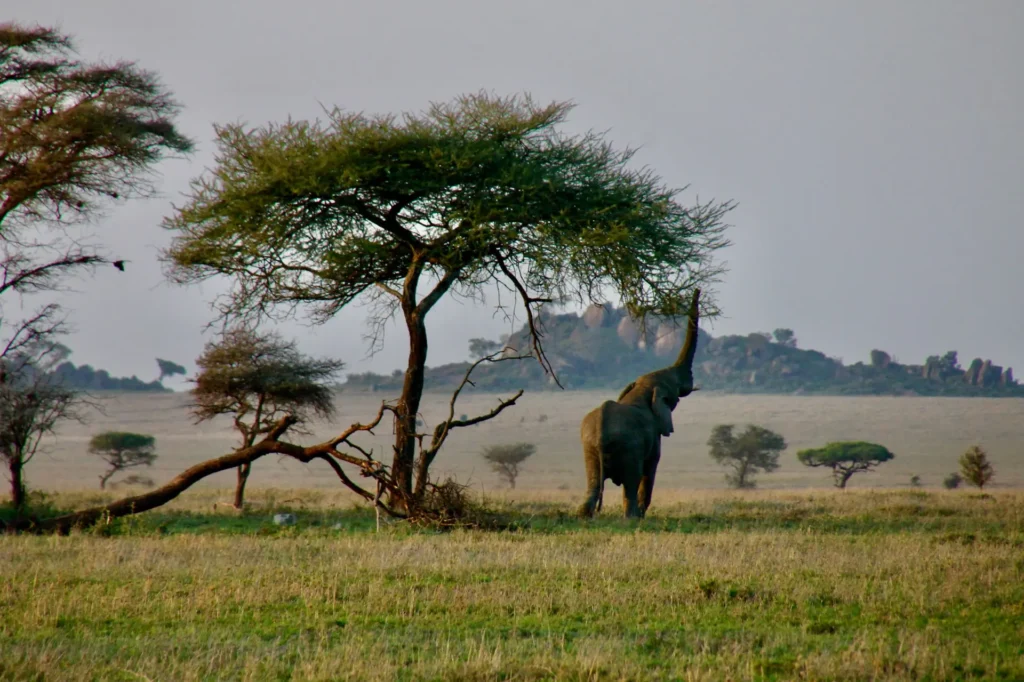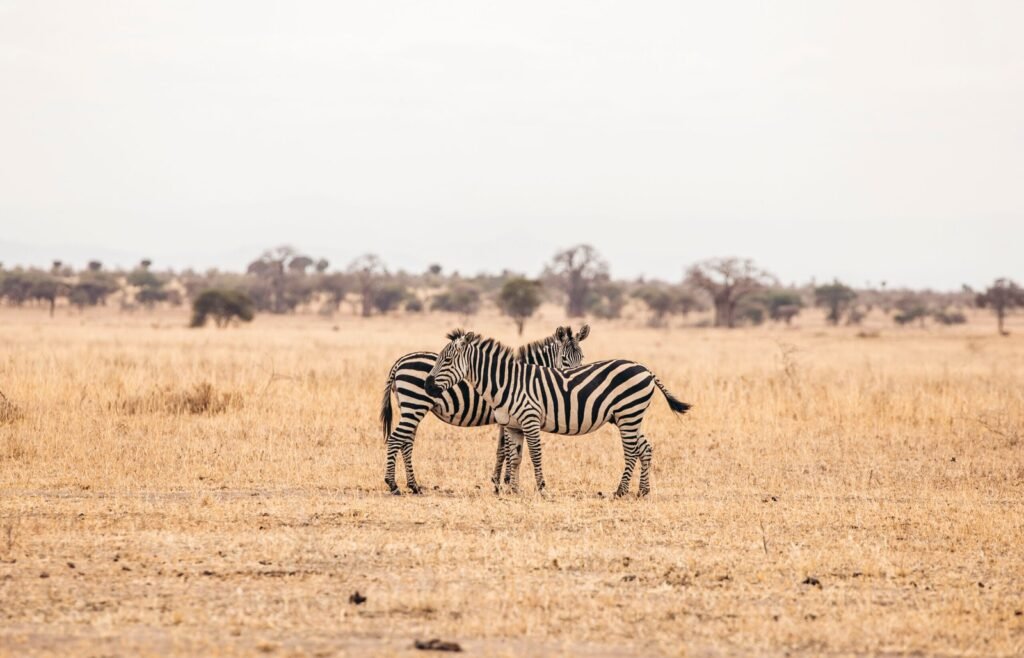
Quality Tanzania Safari Prices in Tanzania are one of the first things travelers try to understand—and honestly, this is where many people get confused. There’s no single fixed price. What you pay depends on your travel style, group size, season, and which parks you visit, whether it’s the famous Serengeti National Park or the iconic Ngorongoro Crater. Once you understand the structure, though, pricing becomes much clearer.
On average, Tanzania safari costs are calculated per person, per day. Budget safaris usually range from about $200 to $350 per day, midrange safaris fall between $350 and $700, while luxury safaris can start from $700 and go beyond $1,500 per day depending on exclusivity and comfort level . Most travelers end up choosing midrange options, which balance comfort, experience, and value.
If you look at total trip costs, a typical 5-day safari can cost around $1,200–$1,800 for budget travelers, $1,800–$3,500 for midrange, and $4,000–$7,000+ for luxury experiences . Longer safaris—like 7 to 10 days—offer better value per day but increase the overall budget. Private safaris are more expensive than group tours, but they offer flexibility and a more personalized experience.
Several key factors influence safari pricing. Park fees are a major cost, especially in premium destinations like the Serengeti and Ngorongoro, where daily entry fees are mandatory. Accommodation type also plays a big role, from basic camping to high-end lodges. Season matters too—prices rise during peak months (June to October) and drop significantly during the rainy season (April to May).
At the end of the day, a Tanzania safari is not just about the price—it’s about value. You’re paying for expert guides, wildlife access, conservation fees, and a once-in-a-lifetime experience in some of the most extraordinary landscapes on Earth. If you position your pricing clearly—budget, midrange, and luxury—you won’t just attract clients, you’ll attract the right clients who already understand what they’re paying for.